When it comes to sewing, one common frustration arises: "why is my invisible zipper showing on the outside?" This question often perplexes many sewers, whether they are hobbyists or professionals. Fashion designer and sewing expert, Nora Hayes, explains, "An invisible zipper should remain discreet. If it shows, the technique needs reevaluation."
Invisible zippers can enhance the elegance of garments when installed correctly. However, improper handling may lead to visible lines and misalignments. Many sewers have experienced this issue, often feeling disappointed with their finished product. It's crucial to understand the common pitfalls that can reveal your zipper's presence, such as fabric choice or installation technique.
Learning the intricacies of zipper installation is vital for any serious sewist. Mistakes happen, leading to reflection on one's skills and techniques. Awareness of the potential issues can help improve your sewing projects. Let's explore the top reasons your invisible zipper might not be as invisible as intended.
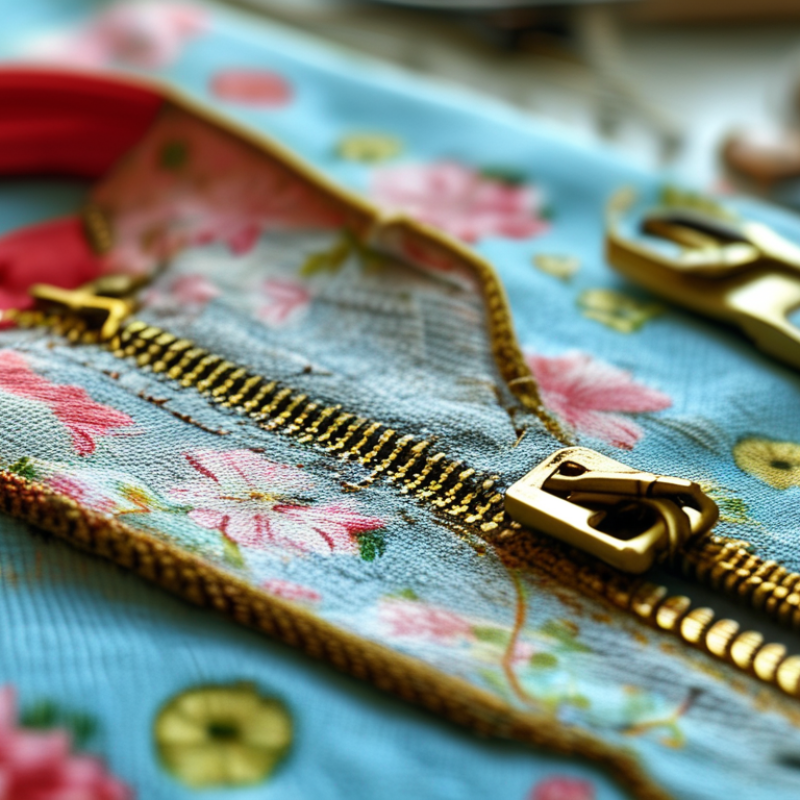
When it comes to invisible zippers, the fabric type significantly influences how they are installed. The blend or weave of the fabric affects how the zipper lays against the garment. Heavier materials might cause the zipper to pull and show on the outside, while lighter fabrics allow for smoother integration. Choosing the right fabric is crucial for achieving that seamless look.
Installation technique plays a vital role as well. Many sewers overlook the importance of proper alignment. Misalignment can result in visible sections of the zipper, making it look unprofessional. If the fabric stretches or shifts during sewing, the zipper won't stay hidden. Attention to detail in this step can prevent unwanted visibility.
Don't underestimate the impact of needle size and thread type. Using a needle too thick for the fabric can lead to puckering. This can draw attention to the zipper and disrupt the garment's drape. A lighter thread can blend better and keep the focus on the design, rather than the zipper itself. Evaluating these factors is instrumental in mastering the art of invisible zipper installation.
The seam construction plays a crucial role in how an invisible zipper appears once installed. Different seam types can cause the zipper to bulge or show on the outside. A poorly constructed seam can pull on the zipper, making it visible. If the fabric is not aligned properly, the zipper may stand out instead of blending in. This creates an unsightly look, detracting from the garment's overall design.
Precision in seam placement is essential for achieving a seamless finish. It is important to use the right seam allowance. Too little fabric can lead to puckering, while too much can create excess bulk. Proper tension control during sewing is necessary to avoid these pitfalls. Experience shows that even slight variations during construction can lead to visible zippers.
In some cases, the choice of fabric also impacts the zipper's appearance. Heavy fabrics may not hold the zipper well, leading to distortion. The stitch type used to attach the zipper can contribute to its visibility. A straightforward straight stitch may not be adequate for all fabrics. Reflecting on these factors helps to improve the execution of invisible zippers in future projects.
When choosing an invisible zipper, the length is crucial for achieving a seamless look. A zipper that's too long may protrude, disrupting the garment's smooth line. Conversely, a too-short zipper can lead to strain, causing it to pull at the seams. This can be particularly frustrating, especially in fitted garments where every detail counts.
Selecting the right length involves careful measurement. Always measure the seam opening accurately before procurement. Sometimes, intuition leads to mistakes; relying solely on patterns can be misleading. It's essential to assess the fit and style of your garment to confirm the zipper length. Failure to do so might result in a finished piece that doesn’t meet expectations.
Understanding your fabric type also plays a role. Some materials will stretch; others won’t. A zipper that works perfectly with one fabric may become visible or cause issues with another. It’s important to test your zipper choice with fabric scraps before finalizing your project. This step can save time and disappointment in the long run.
This chart illustrates the top reasons why an invisible zipper may become visible on the outside of a garment. Selecting the correct zipper length is crucial for achieving a seamless look.
When sewing with invisible zippers, many encounter issues that lead to visible zippers on the outside. One common mistake involves improper alignment of the zipper tape. If the tape is not evenly distributed, it leads to puckering. This can make the zipper very noticeable. Another issue arises when the stitch line is too far from the zipper teeth. If you don’t sew close enough, the fabric may pull away and expose the zipper.
Poor pressing techniques can also contribute to this problem. Taking shortcuts during pressing can result in an uneven finish. It’s essential to properly press seams and edges. Inadequate tension while sewing can cause the fabric to bunch. This can distort the zipper’s appearance and ultimately its function. Checking the sewing machine's tension settings before starting will help maintain control over the fabric.
Lastly, using the wrong type of fabric can be misleading. Lightweight fabrics may not hold up well against the weight of the zipper. It’s vital to match the zipper with a compatible fabric. These small details matter. Regular practice and attention to detail can significantly improve your results in using invisible zippers. Reflecting on these aspects will lead to growth in your sewing skills.
Invisible zippers can be a stylish addition to any garment, but they can sometimes show on the outside. Regular maintenance is vital to keep them hidden. One common culprit is improper installation. Zippers must be inserted correctly to lie flat against the fabric. When rush jobs occur, the zipper can pull, causing it to peek out.
Another issue is wear and tear. Frequent use can lead to fraying or misalignment. Checking your zippers regularly for signs of damage is essential. A simple inspection can reveal early signs of trouble. If you notice fraying, consider reinforcing the area with stitches. This extra care can prolong the life of your zippers.
Cleaning is also crucial. Dirt and debris can accumulate, impacting the zipper’s functionality. A gentle wipe with a damp cloth can remove buildup. Sometimes, neglecting these quick maintenance tasks can lead to larger problems down the line. Regular attention prevents zippers from becoming a nuisance, keeping your designs looking sharp and polished.
: Fabric type influences how well the zipper lays against the garment. Heavier materials tend to show zippers more.
Improper installation, misalignment, or stretching fabric can cause a zipper to show on the outside.
A needle that’s too thick can create puckering, making the zipper more visible and affecting the garment’s drape.
Regular maintenance and proper installation are key to preventing visibility as zippers wear out.
Inspect the zipper for damage and reinforce frayed areas with stitches to prolong its life.
Yes, regular cleaning helps remove dirt and debris, ensuring zippers function properly and remain hidden.
Absolutely. Rushed jobs often cause misalignment, making the zipper peek out from the fabric.
A lighter thread blends better with the fabric, keeping attention on the design instead of the zipper.
If the zipper lies flat against the fabric and stays hidden, the installation was likely successful.
Neglect can lead to visible zippers, damage, and overall degradation of the garment's appearance.
When sewing with invisible zippers, many crafters often wonder, "why is my invisible zipper showing on the outside?" Several factors contribute to this common issue. The type of fabric used can significantly influence the success of the zipper installation. For instance, thicker or less flexible fabrics may expose the zipper more prominently. Additionally, the way seams are constructed plays a critical role; incorrectly aligned seams can lead to visible zippers.
Moreover, selecting the proper zipper length is essential for achieving a seamless appearance. Using a zipper that is too long or too short may result in it peeking out. Sewing techniques are also crucial, as common mistakes, such as improper stitching or inadequate pressing, can create visibility problems. Lastly, regular maintenance and care of the zipper can help prevent it from showing over time, allowing for a polished finish in your garments. By addressing these factors, sewists can enhance the aesthetics of their projects and minimize the likelihood of zippers becoming visible.

Gemify zipper