Zipper sliders are essential components in various industries, from fashion to automotive. Understanding what are the different types of zipper sliders can enhance product quality and consumer satisfaction. According to a report by the International Zipper Industry Association, the zipper market is projected to reach $15 billion by 2025. This highlights the importance of zipper components in global manufacturing.
There are many types of zipper sliders, each serving a unique purpose. From plastic sliders used in lightweight apparel to heavy-duty metal sliders in outdoor gear, selecting the right type can significantly affect durability and functionality. A study from Zipper Technologies found that improper slider choices can reduce a product's lifespan by up to 30%.
Identifying zipper sliders accurately can be challenging, even for experienced professionals. This challenge emphasizes the need for keen observation and knowledge. While many resources exist, there is often a gap regarding practical applications. By exploring the various types of zipper sliders, we help bridge that gap for manufacturers and consumers alike.
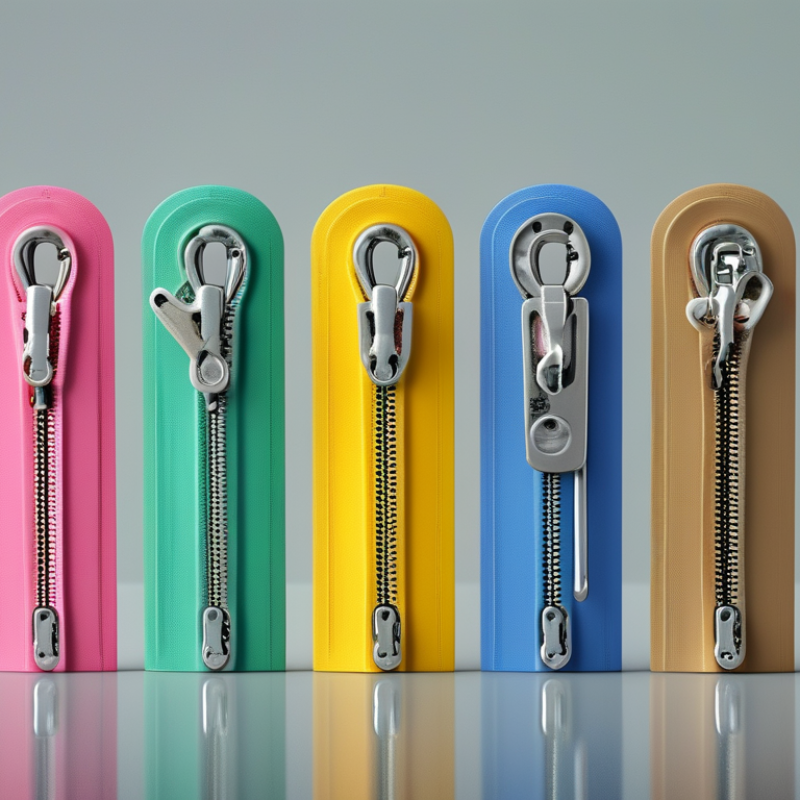
Types of Zipper Sliders: An Overview of Common Variations
Zipper sliders come in various types, each designed for specific purposes. Understanding these variations can assist in choosing the right one for your needs. The most common types include the standard zipper slider, the locking slider, and the key slider. Each type has distinct characteristics that affect functionality and ease of use.
Standard sliders are versatile and widely used in clothes, bags, and tents. They move freely along the teeth, providing a smooth experience. Locking sliders have a mechanism that secures the zipper in place. This feature is particularly useful for outdoor gear, preventing accidental openings. Key sliders feature a unique design that allows for rapid deployment, often found in specialized applications.
It's crucial to choose the right slider. Using the wrong one can lead to functional problems or even damage. For instance, a locking slider on a lightweight fabric could cause tears. While exploring the options, pay attention to materials as well. Some sliders may wear down faster due to environmental exposure. This serves as a reminder to evaluate your choices based on durability and intended use.
Types of Zipper Sliders
This chart illustrates the distribution of different types of zipper sliders used in apparel and various industries. Each type of slider has unique characteristics suitable for different applications.
Understanding the Mechanics: How Zipper Sliders Function
Zipper sliders are crucial components in the functionality of zippers. They come in various types, each designed for specific applications. Understanding how these sliders work helps in identifying their types effectively. The mechanics behind zipper sliders involve a simple yet efficient design. They operate by moving along the teeth of the zipper, engaging and disengaging them as needed.
A report from the National Association of Textile Manufacturers indicates that zipper manufacturing has grown by over 15% in the past five years. This growth emphasizes the need for varied zipper slider designs. Each type, whether it be a metal, plastic, or nylon slider, has unique characteristics affecting durability and usability. For instance, metal sliders provide a sturdy option, but they can become rusty over time. In contrast, plastic sliders are lightweight but may wear out faster.
Identifying these sliders requires careful observation. Some sliders allow for more flexibility, while others offer a tight grip. The choice between them depends on the intended use. Professionals often stress the importance of selecting the appropriate slider for specific materials and environments. While it's simple to replace a zipper, an inappropriate slider can lead to repeated failures. Thus, understanding slider mechanics is imperative for practical applications.
Identifying Slider Shapes: Key Features of Different Types
Identifying different types of zipper sliders can help you make the right choice for your needs. The key features of slider shapes vary significantly. Some sliders are rounded at the top, which allows for a smooth operation. Other sliders have a flat or angular design, giving them a more secure grip. The shape can also affect their compatibility with different zipper types.
When you look closely, you will notice variations in the size and width of sliders. Some are designed to accommodate heavy-duty use, while others are meant for lightweight applications. This distinction is crucial when repairing or replacing a zipper. For instance, a larger slider may be needed for a thicker fabric or a heavier zipper.
It’s worth mentioning that sometimes the slider doesn’t fit perfectly. This could cause issues in zipping or unzipping. If a zipper starts to catch, it might indicate that the slider is worn out or mismatched. It’s essential to reflect on these signs as they guide your replacement decisions, ensuring functionality and reliability.
Material Matters: Distinguishing Zipper Sliders by Composition
When examining zipper sliders, the material is crucial for identification. Sliders can be made from various materials, each offering unique advantages and drawbacks. Metal sliders, for instance, are often durable and resistant to wear. They provide a classic look but can rust if exposed to moisture. Plastic sliders, however, are lightweight and come in various colors. They are less likely to corrode but can break under heavy pressure.
The composition affects not just durability but also function. Nylon sliders are another option, known for their flexibility and strength. They can be a good choice for luggage or activewear. However, they may not endure as much stress over time compared to metal options. Some sliders might mix materials, complicating identification. Pay attention to texture and finish. A shiny surface typically indicates a metal slider, while a matte finish suggests plastic or nylon.
Reflecting on these differences can lead to better choices in zipper products. Understanding materials helps in purchasing decisions. It’s important to acknowledge that identifying sliders requires practice. Even experienced sewers can mix them up. Overall, recognizing the characteristics of zipper sliders is essential for selecting the right zipper for specific needs.
Matching Zipper Sliders to Zippers: A Complete Guide
When it comes to matching zipper sliders to zippers, understanding their types is crucial. Different sliders come with unique designs, and selecting the right one affects functionality. For instance, standard sliders are versatile and fit most common zippers. They are often used in clothing, bags, and tents. On the other hand, specialty sliders, like double sliders, allow access from both ends. This feature is particularly useful for sleeping bags and certain types of luggage.
Material plays a significant role in slider compatibility. Metal sliders provide durability and a premium look. Plastic sliders are lightweight but may not offer the same lifespan. When replacing a slider, ensure that the size aligns with the zipper teeth. Measuring is essential; mismatched sizes lead to failure. It’s sometimes easy to overlook these details, but even small discrepancies can hinder proper operation.
Installing a new slider can be a trial-and-error process. It requires patience and a steady hand. Mistakes happen, and sometimes a slider doesn’t work on the first try. Don’t rush; take time to assess the fit and functionality. Reflections on these experiences can offer valuable insights when selecting sliders for future projects.
FAQS
: Zipper sliders are parts that move along the zipper teeth to open and close zippers.
Consider the material, size, and intended use. Different sliders offer different strengths and flexibilities.
Sliders can be made of metal, plastic, or nylon, each offering unique durability and functionality.
Material affects durability, weight, and function. For instance, metal sliders are sturdy but can rust.
Mixing sliders can complicate identification. It’s best to match them by size and intended use.
A mismatched size can lead to zipper failure. Proper measuring is essential for functionality.
Yes, plastic sliders can break under pressure, while metal sliders may rust if exposed to moisture.
Look closely at the texture and finish. Shiny usually means metal; matte suggests plastic or nylon.
It can be tricky and may require patience. Mistakes are common, so take time to ensure a good fit.
Consider past experiences and learn from mistakes. Each installation offers insights for future choices.
Conclusion
In exploring the question of what are the different types of zipper sliders, it’s essential to first understand the common variations available. Zipper sliders can be categorized based on their mechanical function and the shapes they adopt, which include key features that differentiate them. Moreover, the material composition of zipper sliders plays a significant role in identification, as different materials can affect durability and performance.
To effectively match zipper sliders to the zippers they accompany, one must consider not only the size and shape but also the specific mechanics of how these sliders operate. This comprehensive approach allows for proper identification and selection, ensuring optimal functionality in various applications. Understanding these elements is crucial for anyone looking to work with zippers, whether in garment construction, repairs, or design.

 Gemify zipper