How to Choose the Strongest Type of Zipper for Luggage?

Time:2026-09-04 Author:Liam
0%

Choosing the right zipper for luggage can be challenging. Travelers often overlook this crucial component. However, the zipper's quality determines the durability and security of the bag. What is the strongest type of zipper for luggage? Typically, heavy-duty zippers made from robust materials like nylon or metal are ideal. This choice enhances the overall strength of the luggage.

Some travelers may prefer lightweight options for easy handling. But, lightweight zippers can wear out faster. They might not withstand rough handling at airports. Ultimately, understanding your travel habits is essential. Consider how often you travel and the conditions your luggage will face. A reliable zipper can prevent unexpected issues during a trip.

It's important to evaluate zippers on a case-by-case basis. Not all zippers labeled as strong are equal. Inspect the thickness of the zipper teeth and the quality of the stitching. These details significantly impact performance. By recognizing these elements, you increase your chances of selecting the most suitable zipper for your needs.
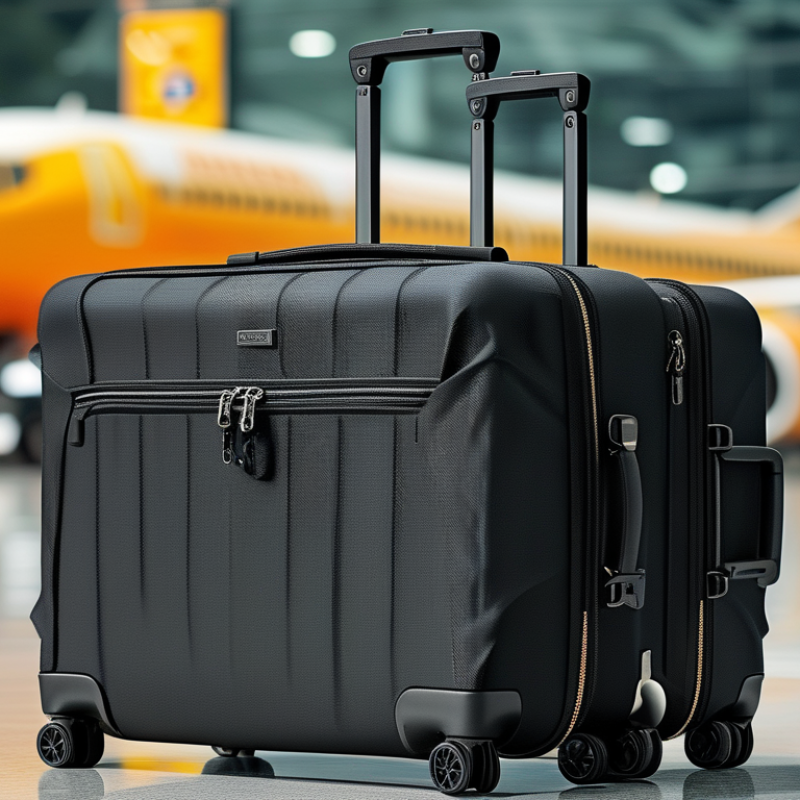
How to Choose the Strongest Type of Zipper for Luggage?

Types of Zippers Commonly Used in Luggage

When choosing a zipper for luggage, understanding the different types is crucial. Nylon zippers are commonly used due to their lightweight and flexibility. They are ideal for soft-sided luggage. However, they can wear out faster under heavy stress. Metal zippers offer strength and durability. These are found on high-quality bags, especially for hard cases. Yet, they can be heavier, which might not be suitable for every traveler.

Other options include plastic zippers. They resist corrosion and are often used in waterproof luggage. While they're light, they may not withstand extreme pressure like metal. Spiral zippers are another choice, offering ease of use and reliable function. But they might struggle with heavy loads. Choosing the right zipper often involves trade-offs. It's essential to consider luggage use. Ignoring these factors can lead to unsatisfactory travel experiences.

Factors to Consider When Choosing a Zipper

When selecting a zipper for luggage, durability is paramount. Consider the material of the zipper. Nylon zippers are lightweight and flexible but may not withstand heavy use. Conversely, metal zippers offer strength but can add weight and bulk. According to a report from the American Association of Luggage Manufacturers, about 30% of luggage failures are due to zipper issues.

Next, evaluate the zipper teeth. Larger teeth can provide better resistance to snagging and breaking. Plastic and metal are popular choices, but plastic may be more prone to wear and tear. A study published in the International Journal of Fashion Technology reveals that zippers with improved designs can reduce failure rates by up to 40%.

Finally, zipper type affects functionality. Continuous coil zippers are less likely to jam. However, they may not offer the same strength as tooth zippers. Users often overlook the importance of zipper pulls as well; a sturdy pull makes a significant difference in user experience. While many may choose based solely on aesthetics, durability should be prioritized to ensure longevity.

Comparing Durability: Metal vs. Plastic Zippers

When selecting zippers for luggage, durability is key. A study shows that metal zippers often outperform plastic ones in longevity. Metal zippers are typically made from brass or aluminum, both known for their strength. On the other hand, plastic zippers, made from various grades of nylon, can be less durable, especially under stress. They may break or fray when exposed to heavy loads or rough handling.

In terms of stress resistance, metal zippers can endure more than 30 pounds of pull before showing wear. In contrast, plastic zippers might only tolerate around 10-20 pounds, raising concerns about their reliability. Additionally, metal zippers are less likely to snag or jam, which is vital during travel. Despite their advantages, metal zippers can rust and become heavy with constant use, raising an interesting point for consideration.

While plastic zippers are lightweight and resistant to corrosion, they may not always hold up under pressure. In rugged environments, they can warp or fail more easily, triggering frustrations during trips. The choice between metal and plastic comes down to intended use and required durability. Luggage users should assess their travel habits and select accordingly, balancing weight and strength preferences carefully.

Understanding Waterproofing Features in Zipper Selection

When selecting zippers for luggage, waterproofing features are crucial. Research shows that about 30% of luggage damage stems from water exposure. A waterproof zipper can help mitigate these risks. By employing thermoplastic polyurethane (TPU) coatings, manufacturers can enhance water resistance. These coatings form a barrier, preventing water from seeping through the zipper teeth and seams.

Choosing the right material is equally vital. Nylon zippers often offer better water resistance compared to polyester. A study indicated that nylon zippers can withstand up to 50% more water pressure. Furthermore, a YKK report highlights that zippers with specially designed seals can double the waterproofing capacity. However, it's essential to remember that even the strongest components can fail under extreme conditions. Evaluating the overall durability, including the stitching and fabric, is necessary.

Finally, consider the maintenance of these zippers. Regular cleaning can preserve their waterproof features. Over time, dirt and debris can hinder the zipper's performance. Basic upkeep can extend the lifespan but may be overlooked. Understanding these factors helps in making informed decisions about zipper selection, ultimately enhancing the durability of your luggage.

Maintenance Tips for Prolonging Zipper Lifespan in Luggage

When it comes to luggage zippers, maintenance is key. A well-maintained zipper lasts longer and performs better. Regular cleaning can prevent dirt buildup that may impair the zipper’s function. Use a soft brush or cloth to remove debris from the zipper teeth. This step can make a significant difference in your zipper's lifespan.

Check the zipper regularly for any signs of wear. Look for frayed threads or misalignment. Addressing these issues early can prevent more serious damage. Lubricating the zipper is also essential. A silicone-based lubricant can keep the zipper moving smoothly. Apply it sparingly to avoid attracting more dirt.

Store your luggage properly to protect the zipper. Avoid overpacking, which strains the zipper. If your luggage is unused for a while, keep it in a cool, dry place. Closing the zipper securely can prevent dust and pests from affecting it. Remember, taking these small but crucial steps can extend the life of your luggage’s zipper significantly.

FAQS

: What are the main materials used in metal zippers?

: Metal zippers are mainly made of brass or aluminum, which are known for their strength and durability.

How do metal and plastic zippers compare in terms of durability?

Generally, metal zippers outperform plastic zippers and last longer under stress and heavy use.

What is the weight tolerance of metal zippers?

Metal zippers can endure more than 30 pounds of pull before they show signs of wear and tear.

Are plastic zippers suitable for heavy loads?

Plastic zippers typically tolerate only 10-20 pounds of stress, which can lead to concerns about their reliability.

How can waterproof zippers protect luggage?

Waterproof zippers, especially those with TPU coatings, prevent water from seeping through the teeth and seams of the zipper.

Which type of zipper offers better water resistance?

Nylon zippers often provide better water resistance than polyester, with a notable improvement in water pressure tolerance.

Can zippers fail under extreme conditions?

Yes, even the highest quality zippers can fail when exposed to extreme conditions, affecting overall luggage durability.

How can maintenance affect zipper lifespan?

Regular cleaning can help preserve a zipper's waterproof features, as dirt and debris can impact its performance negatively.

Should travel habits influence zipper selection?

Absolutely, assessing your travel habits can guide you in choosing the right zipper based on weight and durability needs.

What is a common oversight in zipper care?

Many overlook basic upkeep, which can be critical for extending a zipper's efficiency and lifespan.

Conclusion

When considering what is the strongest type of zipper for luggage, it's essential to explore the various types of zippers commonly used, such as metal and plastic options. Metal zippers are often favored for their durability and resistance to wear, while plastic zippers can be lighter and more flexible. Factors to consider when making a choice include the intended use of the luggage, the environment it will be exposed to, and the typical load it will carry.

Additionally, understanding waterproofing features is critical, especially for travelers who may face wet conditions. Proper maintenance can also significantly prolong the lifespan of a zipper in luggage; regular cleaning and lubrication are simple yet effective ways to enhance performance. By taking into account these elements, one can confidently select the most suitable zipper type for their luggage needs.

Liam

Liam

Liam is a dedicated marketing professional with a profound expertise in the industry, where he excels at highlighting the unique advantages of our core products. With a keen understanding of market trends and consumer needs, Liam frequently updates our company’s professional blog, providing......